The Role of Environmental Considerations in Modern Excavation Practices Jun 16, 2026
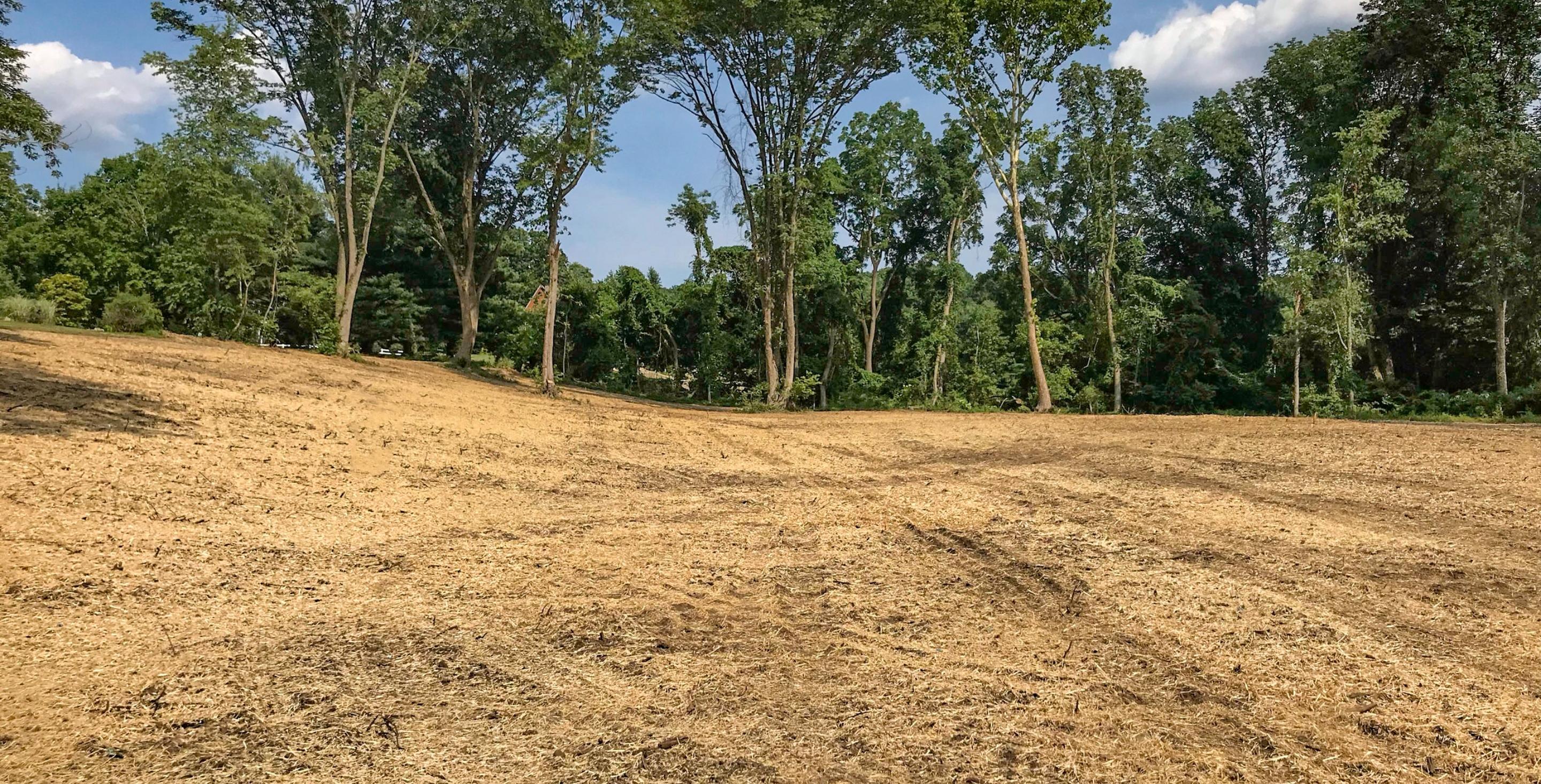
Excavation is a foundational aspect of any construction project, involving the removal of soil and rock to create a suitable site for building. However, as urban areas expand and the demand for construction increases, the environmental impact of these activities cannot be ignored. Companies are now focusing on minimizing their ecological footprint by carefully evaluating the environmental implications before commencing any excavation work.
One of the primary environmental considerations is soil erosion and runoff, which can lead to significant water pollution in adjacent areas. To address this, many excavation companies have adopted erosion control measures such as silt fences, sediment traps, and vegetative covers. These techniques not only protect water quality but also preserve the integrity of the surrounding ecosystem.
Moreover, the disposal of excavated materials poses another challenge. Traditionally, the removed soil and debris might simply be transported to landfills. However, this practice is increasingly being replaced by sustainable waste management strategies. Many companies are now investing in recycling and reusing excavated materials whenever possible. For instance, recycled concrete and asphalt can be repurposed for other construction projects, reducing both waste and costs.
Air quality is another environmental aspect to consider during excavation. The heavy machinery used can emit large amounts of dust and particulate matter, which not only affects air quality but can also have health implications for site workers and nearby residents. Modern excavation practices often include dust control measures such as water sprays, dust suppression products, and the use of low-emission equipment to mitigate this issue.
The preservation of natural habitats is also integral to modern excavation projects. Construction sites often lie in or near ecologically sensitive areas. Therefore, excavation companies must conduct thorough environmental assessments to ensure they do not disrupt wildlife or destroy habitats. Engaging with environmental consultants and conducting impact assessments can greatly aid in identifying potential risks and developing strategies to mitigate them.
One cannot overlook the importance of regulatory compliance and environmental laws in guiding excavation practices. Adhering to strict environmental regulations not only helps prevent legal issues but also promotes sustainable development. Companies like Murray Excavation & Site Services consistently work to ensure that they meet all environmental guidelines, reinforcing their commitment to responsible construction practices.
In conclusion, environmental considerations are no longer optional for excavation companies; they are essential components of project planning and execution. Through careful planning, adoption of green technologies, and engagement with regulatory frameworks, companies can effectively manage their environmental impact. Murray Excavation & Site Services exemplifies this approach by integrating sustainability into every stage of their projects. As the industry evolves, maintaining a balance between development needs and environmental preservation will remain a critical focus, ensuring both the success of construction ventures and the health of our planet.
/filters:no_upscale()/filters:format(webp)/media/93e9efb8-2441-44c0-adaa-67132727b670.jpeg)